
Search "web design Leicester" and you'll get thirty results that all look the same: a stock photo, the word bespoke, and a contact form.
We're one of them, so treat everything below accordingly. But we've also spent years inheriting other agencies' work, which is a genuinely useful education in what separates a good studio from a confident-looking one.
Here's how to tell.
What actually separates them
Do design and development sit together? The single biggest predictor of whether a project goes well. If designers hand finished work to a development team who weren't in the room, you will pay for that gap, usually in features that get quietly dropped near the end. Ask directly: were the developers involved when this was scoped?
Do they build custom, or configure a template? Both are legitimate. Only one of them is usually being described honestly. A template build should be quicker and cheaper, so if you're being quoted custom prices for theme work, that's the question to ask.
Can they show you something complicated? Anyone can show you a nice marketing site. Ask to see something with real logic in it: bookings, stock, user accounts, a system somebody's team uses daily. That's where studios separate.
What happens after launch? A studio that disappears at launch never has to live with its decisions. Ask what proportion of their clients are still with them a year later, and what that relationship looks like.
Will you speak to the people doing the work? If everything goes through an account manager, the people building your project are hearing your business second-hand.
The most useful question you can ask any agency: "Tell me about a project that went badly and what you changed afterwards." A good studio has an answer ready. A weak one has never thought about it.

628 Studio
We will declare the obvious interest and then make the case, because we think we are one of the best in the city and it is not a close-run thing on the criteria above.
Best for: businesses that have outgrown a template and need something built around how they actually operate.
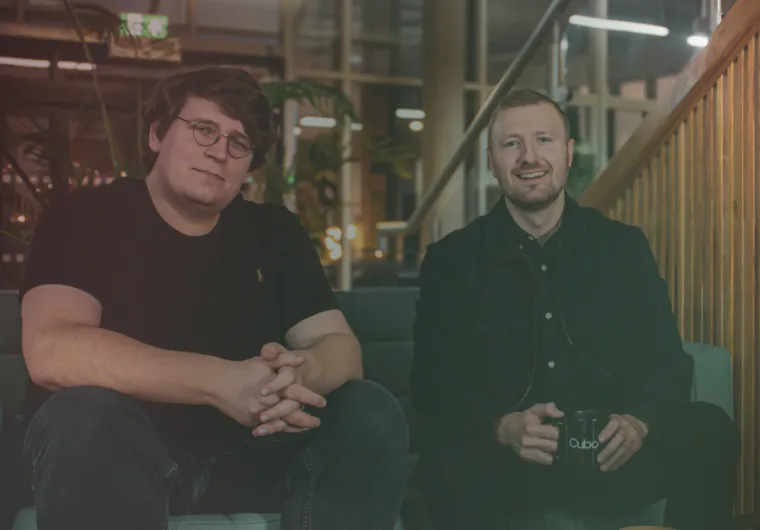
Design and development sit under one roof. Luke leads design, UX and strategy. Kryspin owns the architecture and the code review. Nothing gets designed by people who will not have to build it, which is the first question on the list above and the one most studios in any city cannot answer this way.
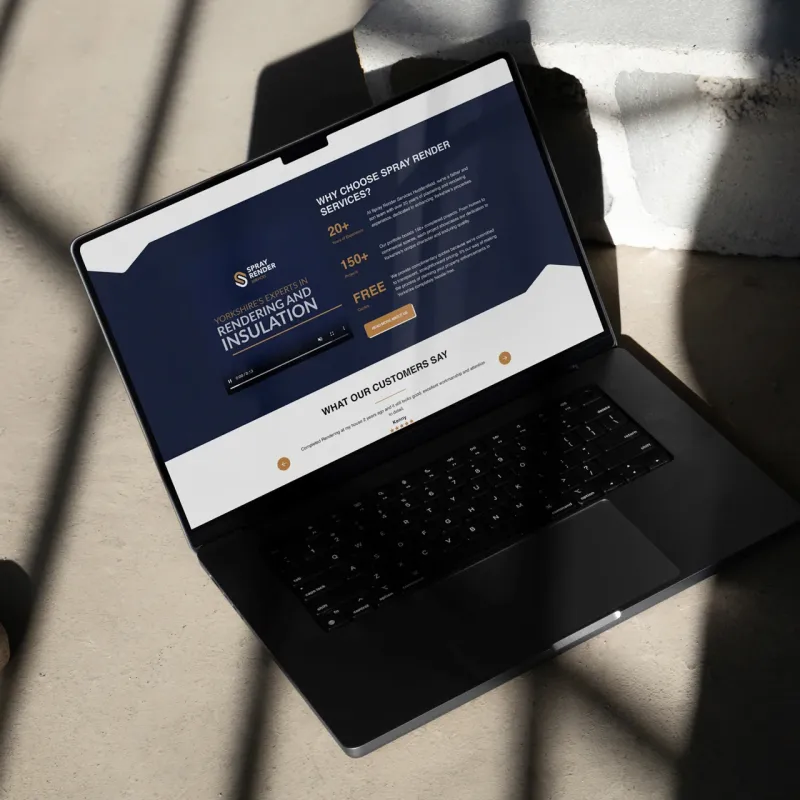
We build custom, in Laravel. Marketing sites included, but the work we are proudest of is closer to software. TableCloud is a restaurant booking platform we did the naming, brand, UX and engineering for. ViewLoop is a digital signage product that did not exist before we built it. ChalkSpot runs a gymnastics club's entire timetable and bookings. That is the "show me something complicated" test, and it is the one most portfolios quietly fail.
We are still there a year later. 88% of clients stay on after launch and 70% of our work arrives by referral, which is the number we would look at first if we were hiring us. 34 products shipped. Five stars on both Google and Clutch.
You can see the price before you call. Project work, or a product team on subscription at £4,500 a month with a senior designer and a senior developer on your product every week. It is all on the plan page, including the cases where we say do not buy it.
We are probably not right for you if you need a site next week for under £3,000. That is a real requirement and there are studios who serve it well. We would be the wrong call, and we will say so on the first phone call rather than waste your time.
How to build the rest of your shortlist
We are not going to review our competitors. We cannot verify another studio's pricing, process or how they treat clients from the outside, and an agency publishing opinions about named rivals is doing marketing, not reporting. You would be right to discount it.
What we will do is tell you where to look and what to read.
Clutch and Google reviews, filtered to Leicester. Read the three-star reviews rather than the five-star ones. Nobody writes an interesting five-star review, and the middle ones tell you what the studio is actually like when something goes wrong.
Their case studies, not their portfolio. A portfolio is a gallery of screenshots. A case study says what the problem was, what was built and what changed afterwards. A studio with no case studies either has not measured anything or did not like the numbers.
Who speaks on their behalf. Look at who writes their posts and who appears on their site. If you cannot find the name of a single person who would touch your project, you have learned something.
Ask each of them the five questions below. Same five, same order. The differences in how they answer will sort the list faster than anything you read online.
The shortlist test
Whoever you end up talking to, ask all of them the same five things:
- Who exactly will do the work, and can I speak to them?
- Were your developers involved in scoping this?
- Can I see something genuinely complicated you've built?
- What's your working relationship with clients twelve months after launch?
- What would make you tell me not to do this project?
Number five is the one that sorts it. An agency that will never talk you out of anything is selling, not advising.
If you'd like us on that shortlist, tell us what you're planning. And if you'd rather just get a second opinion on a quote you've been given, we'll happily look at it.