
A B2B website wins contracts when it answers the checks a buyer makes before they get in touch. What do you do, have you done it for people like us, and how do we start? Get those three right and the site starts bringing in work.
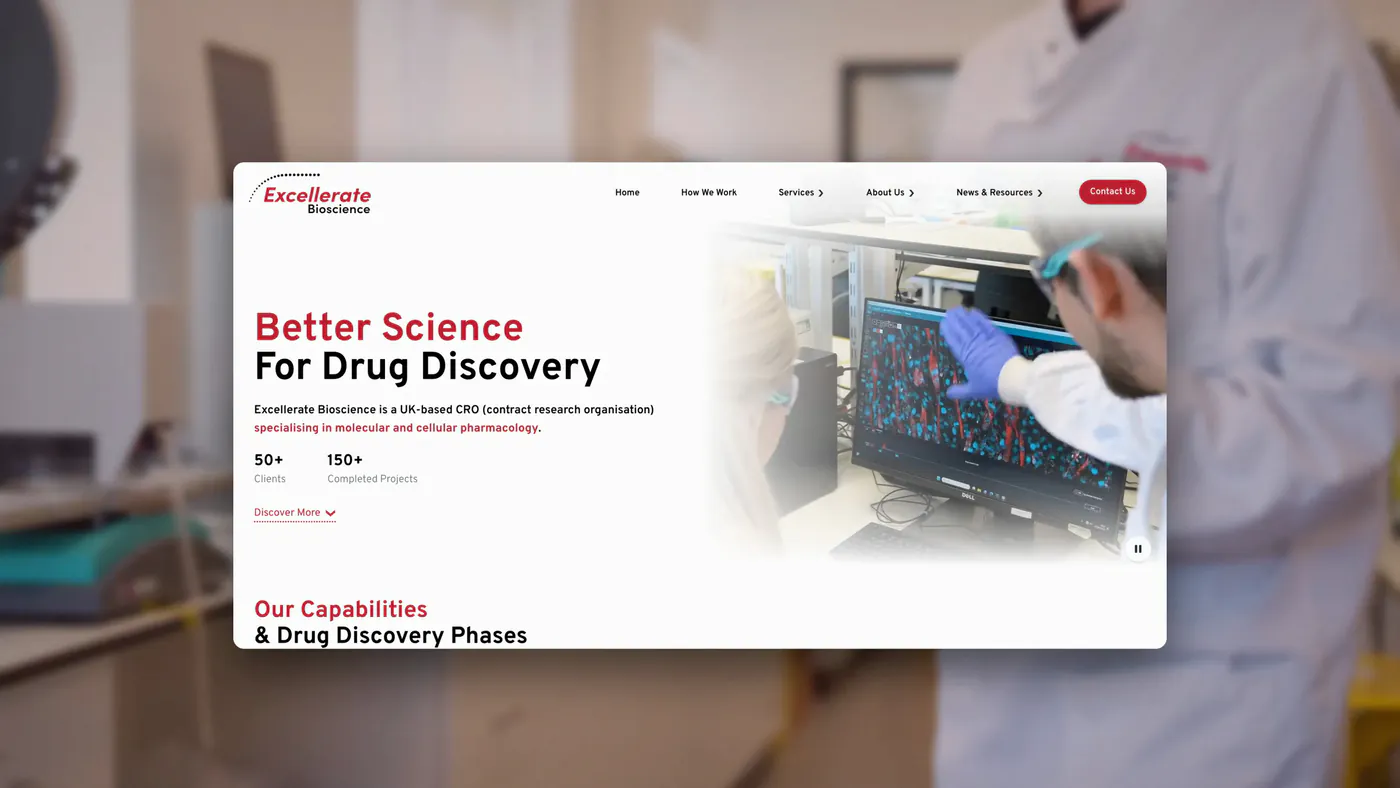
That isn't theory. Excellerate Bioscience are a contract research organisation. Their previous site never produced a single enquiry. The one we built them does, and some of those enquiries have turned into major contracts. Here's what changed, and what any business selling to other businesses can take from it.
How B2B buyers actually decide
Business buyers rarely buy on impulse. They're spending someone else's money and putting their name to the choice, so they research first and get in touch last.
That means your website is often the whole of your first meeting. By the time someone fills in your form, they've already compared you with others and decided you're worth a conversation. If the site can't make that case on its own, the conversation never happens and you never know it was close.
Most buyers also aren't one person. There's usually someone who understands the detail, like a scientist, an engineer or an operations lead, and someone who signs off the spend. A good B2B site has to work for both.
What buyers check before they get in touch
Can you do what I need?
The first check, and the one that matters most. A buyer wants to know quickly what you offer, in their words rather than your internal ones. One clear page per service or product range works far better than one page listing everything. It's also what gets each service found in search.
Have you done it before?
Proof does the selling. Case studies with a real problem and a real result, the kinds of clients you work with, certifications and accreditations. Even three good case studies beat a long list of logos with nothing behind them.
Can I find the detail without ringing you?
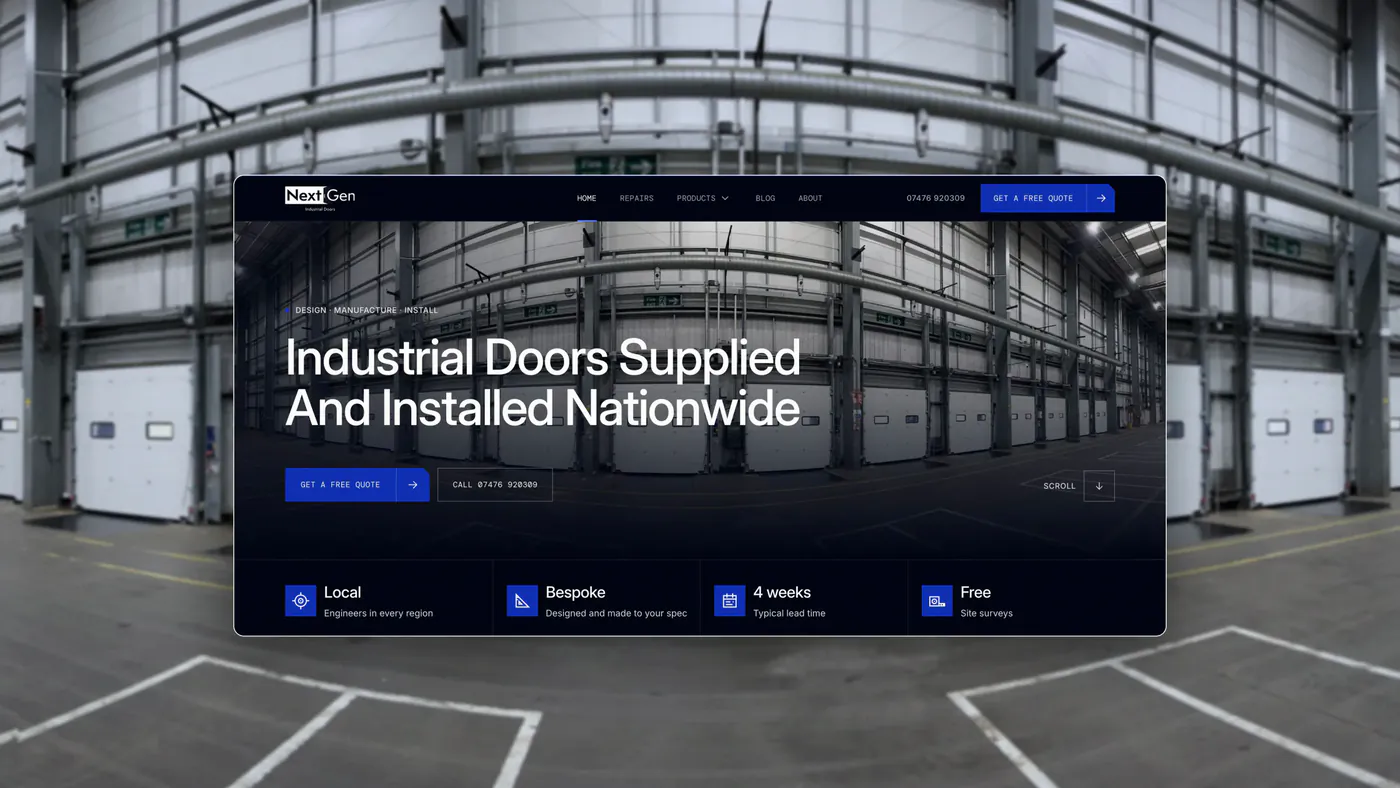
Specifiers and technical buyers want specifications, standards, process and capability on the page. For manufacturers that means sizes, materials and data sheets. For a science business it means methods and services explained clearly. We go into more depth on this in website design for manufacturers.
Do you look like you can handle it?
A buyer is judging whether you can be trusted with a contract. The site doesn't need to be flashy. It needs to feel as careful and professional as the work you deliver, and it needs to load quickly.
Is it easy to start?
A short form, a named contact and a clear next step. If getting in touch feels like hard work, a busy buyer moves on to the next tab.
The Excellerate Bioscience story
Excellerate's science was high calibre. The goal was a site that felt as credible as the research they deliver, and one that both scientists and decision makers could understand quickly.
We rebuilt the site from the ground up as a custom website with its own CMS, so their team can keep it up to date. The design is clean and minimal, with custom scientific icons, a clearer structure, and a tone that explains what they do without jargon. Alongside the site we created social templates and newsletter designs, and we've supported their marketing since, including paid ads.
The results, comparing old site to new:
| Old site | New site | |
|---|---|---|
| Enquiries | None, ever | Coming in, some turning into major contracts |
| Pages per session | Baseline | Up 98.7% |
| User sessions | Baseline | Up 11.6% |
| Page load time | Baseline | Half what it was |
We now run their search as well. From March to October 2026, 26 enquiries came to them from search, 46% of all their enquiries and more than any other source.
In their own words, from Dr Benjamin Moore, Associate Director at Excellerate Bioscience: "We've already had some big client wins since the site launched."
The jump in pages per session is the one worth noticing. B2B buyers read. Give them detailed, well organised service pages and they'll go through them, and the more they read, the more confident they are getting in touch.
What a contract-winning B2B site needs
Pulling that together, here's the short list we work to:
- A page for each service or product range, written in the buyer's words, with enough detail to qualify you.
- Proof on every key page: case studies, results, accreditations and the kinds of clients you serve.
- Plain explanations of complicated work, so the person signing off understands it as well as the specialist.
- Speed, because a slow site makes a business look less capable than it is.
- Enquiries you can trace, so you know which pages are bringing in work.
- A CMS your team will actually use, so new case studies and services go up without waiting on anyone.
- A search plan, because the best page in the world wins nothing if buyers can't find it.
What it costs and how long it takes
Most of our website projects land between £5,000 and £30,000. The price depends on what the site has to do rather than how many pages it has, and you get a fixed price before anything starts.
| Type of site | Typical timeline |
|---|---|
| Straightforward B2B site | 2 to 6 weeks |
| Site with custom functionality, such as quoting or a portal | 3 to 4 months |
The build is rarely what holds a project up. Content and sign-off are, so we tell you at the start what we need and when.
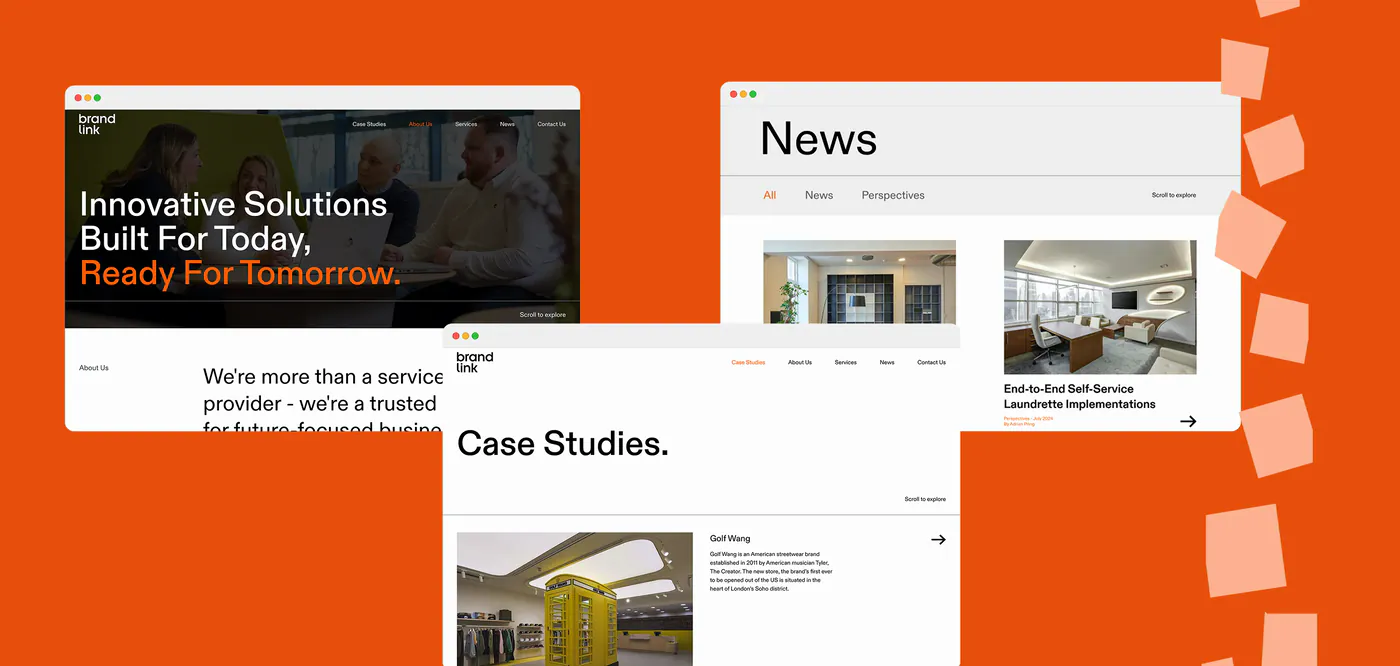
We're rated 5.0 on Google and Clutch, and our results are ones you can check. Since their new site launched, Pursue Talent have hired three more people. Excellerate win contracts through theirs.
Next step
If you're based in the East Midlands, there's more on our web design in Leicester, and if you make things, see our websites for manufacturers. Or book a free 30-minute call and we'll look at your current site with you and tell you honestly what would make it win more work.